

You are here
Biology
12.12.2017

An international research group has shown that today’s human activities are radically reshaping the way microbes circulate, with potential repercussions on the world’s ecosystems and inhabitants.
09.21.2017
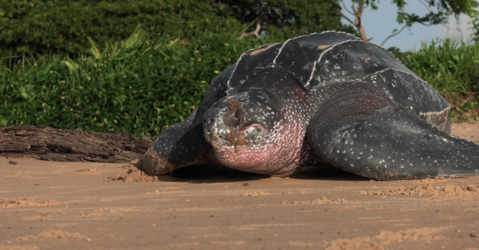
In French Guiana, leatherback turtles—the largest sea turtles in the world—return to the same beach multiple times over the year to lay their eggs. But fewer are making it back, threatening the...
Opinion
09.20.2017
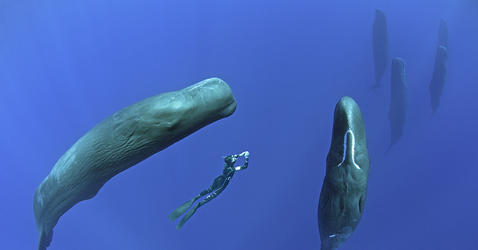
In cetaceans—unlike in other mammals—breathing is a voluntary action that involves returning regularly to the surface. Sperm whales take naps in vertical position, and when dolphins sleep, half of...
Opinion
09.15.2017
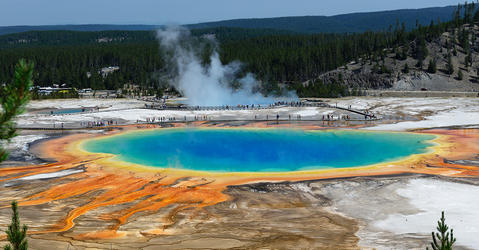
Although it was named a mere twenty years ago, the last common ancestor of all living organisms on Earth is more than three billion years old. And scientists have an ever-better idea of what it may...
Article
08.24.2017
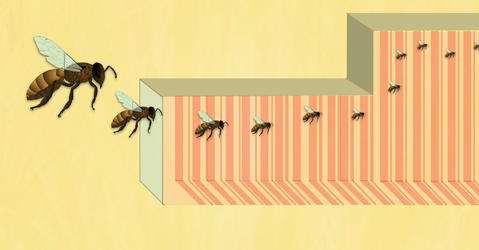
Honeybees, like humans, rely on their sense of vision to explore their surroundings. New findings show that the insects can memorize visual cues not only below, but also above them, to make their way...
Slideshow
08.14.2017

Like all members of the dolphin family, pilot whales have a highly developed acoustic sense. But what of their sense of taste and smell? Can they perceive odors and flavors? What organs are involved...