

You are here
Articles

Manufactured primarily in England and France starting in the early 18th century, pianos were massively exported, in particular to the Americas, leading to the emergence of new repertoires. This is the amazing story of an instrument that has crossed oceans, social classes and musical styles.
Recent Articles
Article
10.17.2016

DNA G-quadruplexes, recently demonstrated in human cells, are of great interest to biologists, chemists and physicians alike. But what exactly are they and why are researchers so keen to unravel...
Article
10.14.2016

Using laboratory experiments and computer simulations, scientists are seeking to uncover the secrets of combustion. Their aim is to design engines that are less polluting and energy-hungry.
Article
10.13.2016

A vast international study is being undertaken to classify, using metagenomics, the bacteria that dwell in the underground transport systems of 50 cities across the globe.
Article
10.10.2016
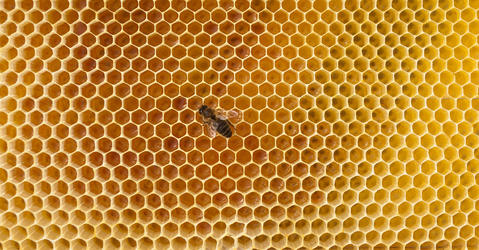
The last 20 years have witnessed a dramatic and unprecedented decline in bee populations. While intensive agriculture and the massive use of pesticides are believed to be the chief culprits, new...
10.07.2016

Recent advances in neuroscience reveal that exposure to music has a positive effect on memory. And this is particularly the case in people with Alzheimer’s disease.
Article
10.05.2016

The French chemist Jean-Pierre Sauvage was awarded the Nobel Prize alongside J. Fraser Stoddart, from the UK and Bernard L. Feringa, from the Netherlands, for their work on molecular machines.