

You are here
The eternal quest for healthy eating

In your latest book, you trace the origin of dietetics back to ancient Greece. How did this science emerge?
Bruno Laurioux1: Originally, around the 5th century BC, dietetics was one of the three pillars of medicine, along with surgery and pharmacology. The specific goal of ancient dietetics, a concept that endured for a long time, was to maintain the body and keep it healthy using a preventive approach, but also to treat diseases as part of a therapeutic process. For example, the treatises written by Hippocrates (or attributed to him at the time) describe the effects of food on health in this way.
In the 2nd century, Galen, the other major figure of ancient medicine and in a sense the heir to Hippocrates, also took an interest in dietetics. This prolific author, who started out treating gladiators in Asia Minor before becoming a doctor to emperors and Roman high society, developed the ‘theory of humours’. This idea conceives of the human body as a ‘microcosm’ made up of fluids – blood, phlegm (lymph), etc. – which are combinations of the primary qualities of heat and moisture, such as the world and the Universe – or ‘macrocosm’ – with which it is put in parallel. Galen explains in detail that foods, as products of their environment, are also compounds of the primary qualities, which define their effects on health.
These treatises are accompanied by a great many other texts advocating moderation and defining rules for healthy living: exercise, bathing, sexual activity and awareness of one’s environment. In ancient times, mastery of the body embodied a social ideal and was seen as a civic duty.
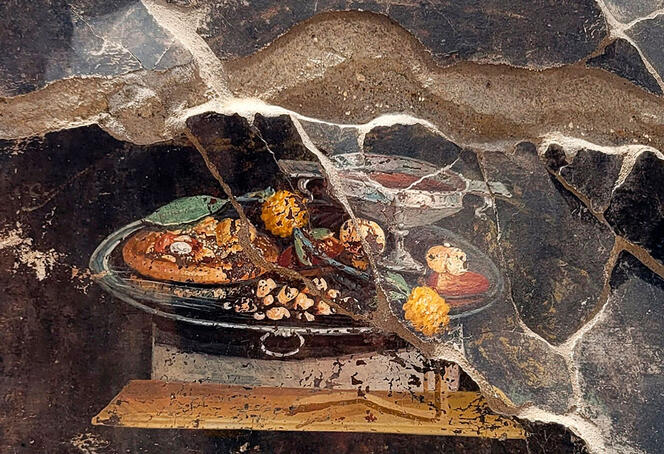
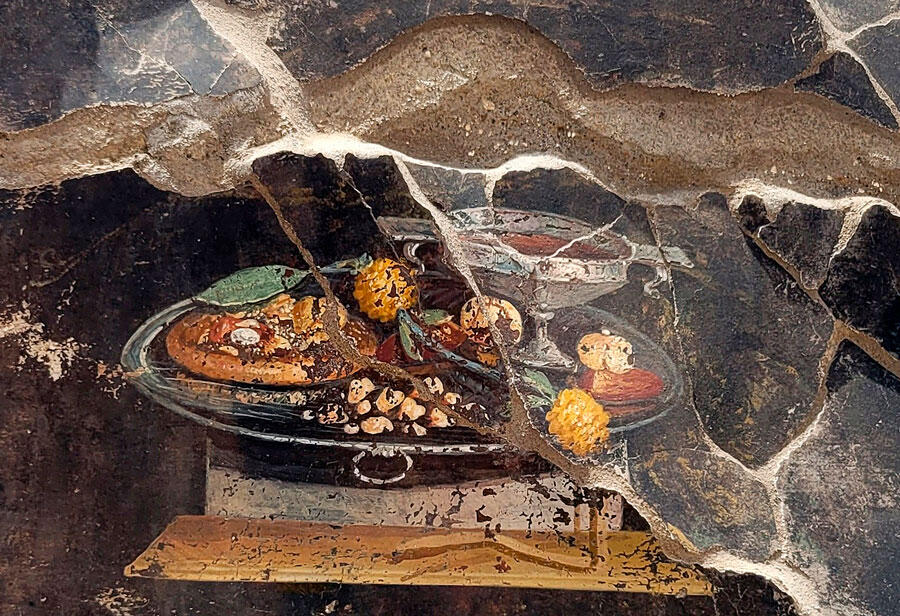
In the Middle Ages, the Arab-Muslim world perpetuated these ancient teachings and introduced new foods, starting with sugar. How did it reach the West?
B. L.: Sugar came from India, where sugarcane had been cultivated for centuries, and would play a complex role in the history of dietetics. The Islamic countries used it in their sweet and sour cuisine, crediting it with medicinal properties. The translation of the Arab treatises (which incidentally enabled the Latin West to rediscover Galen) led to the European importation of sugar from the East starting in the 12th century. At the time it was considered both a food and a medicine, prescribed for example as a cough remedy.
However, denounced as early as the 17th century for ‘the blackness concealed beneath its whiteness’, sugar remains today a ‘poison’ to be avoided. Conversely, until the 18th century, melons, prized in the Mediterranean region, were considered harmful if eaten too cold and wet, and hence difficult to digest. The prevailing advice was to eat them on an empty stomach or at the start of a meal, accompanied by counterbalancing substances like salt or a strong wine.
In ancient dietetics, flavours were combined while seeking to limit the harmful effects of the different foods. Physicians even wrote culinary treatises proposing counteractive measures. For example, patients were advised to replace dairy products with almond milk, much like today.



The classification of foods, determining their uses, was also a perpetual topic of debate in medicine, which defined itself as a ‘natural philosophy’. And the arrival of foods from the New World posed more questions. How should tomatoes, which were viewed with suspicion, be classified? Chocolate, a source of desire and pleasure, was a vexation for theologians. Was it in essence a beverage that could be consumed during Lent, or one to be banned while fasting?
Another product discussed throughout the history of dietetics is meat, whose perception has fluctuated countless times…
B. L.: Indeed, even though the quantities formerly consumed were not comparable to today’s. Even in the late 18th century, France’s per capita meat consumption was less than 20 kilogrammes per year, compared with about 80 kilos today. Meat has been the focal point of many issues – ethical, medical, religious, economic, and of course more recently environmental.
In antiquity, as early as the 1st century BC, the neo-Pythagoreans (an esoteric philosophical movement inspired by Pythagoras), even though in a clear minority, maintained that it was not necessary to kill animals for nourishment. There was even a form of what we would call ‘veganism’, with some people eschewing animal materials for clothing like leather and wool.
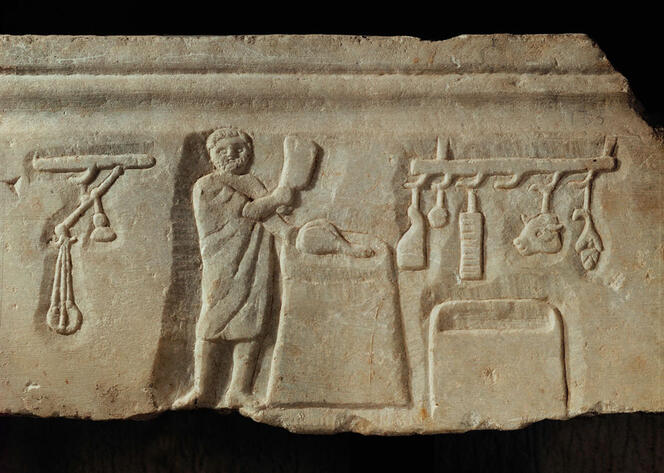
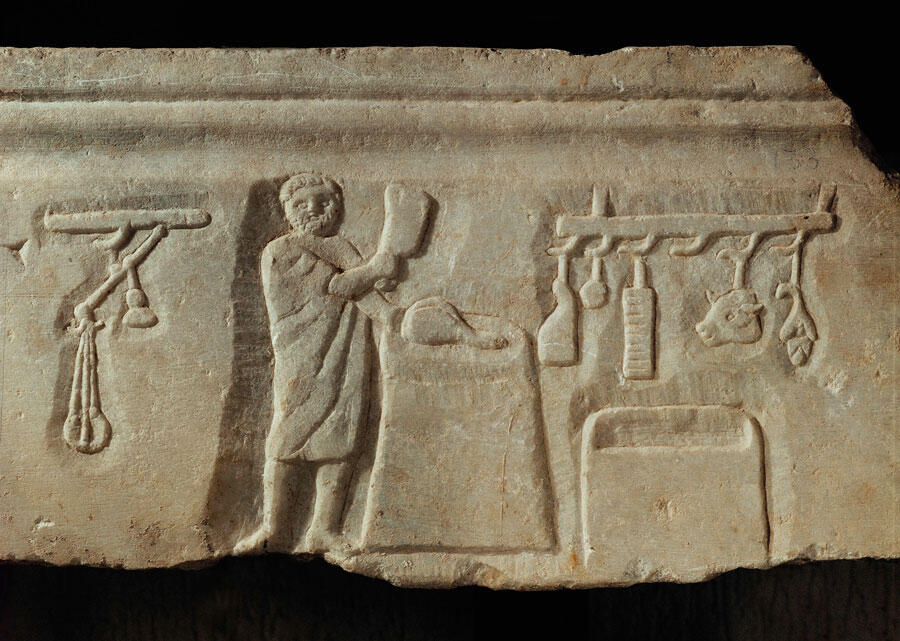
Physicians in the Middle Ages, including Arnaud de Villeneuve (1240-1311), deemed meat harmful to human health, and in the 18th century a fierce debate arose between its proponents and detractors at the Paris School of Medicine. But vegetarianism didn’t become a major current until the 19th century, mainly in Britain and the United States, with reformers like the American Presbyterian minister Sylvester Graham. Meanwhile, the Catholic Church believed that meat had an exciting effect, encouraging lust…
Speaking of which, how have religious precepts intersected with dietetics?
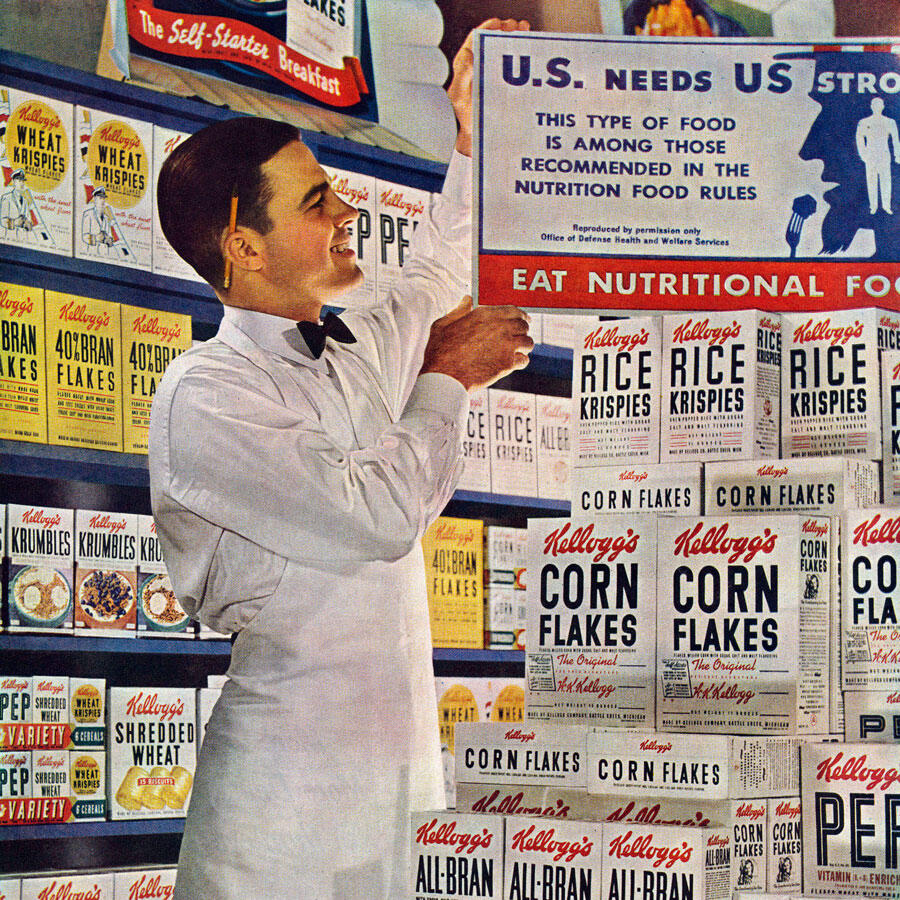
B. L.: Theological texts and canon law have made recommendations and designated banned foods, sometimes using medical arguments to bolster their legitimacy. At the same time, medicine has also drawn inspiration from moral positions regarding dietetics. In the United States, for example, the physician and surgeon John Harvey Kellogg, who was a Seventh-day Adventist, advocated vegetarianism and eating cereals for breakfast. He invented cornflakes and, with his brother, launched the famous company that still bears their name.
Digestion has also been the subject of heated scientific debate…
B. L.: Yes – to the point of insults! Galen described it as an additional cooking process, as in an oven, starting in the stomach and continuing in other organs. His successors perceived digestion as fermentation, in other words a chemical process. Other physicians, aligning with a handful of ancient authors, have identified it as more of a mechanical process, trituration, in which the digestive organs grind the food like a millstone. Ultimately, the proponents of fermentation won the argument, paving the way for nutritional science in the 18th century.

How did this evolution constitute a turning point in the history of dietetics?
B. L.: The old-style qualitative dietetics, which concocted ‘taylor-made’ diets adapted to each individual, was challenged and marginalised. With the development of a mathematised science, it was replaced by a quantitative approach, rationalised and based on measurement, pioneered by the Italian inventor Santorio Santorio (1561-1636), who used a scale to measure the body’s energy intake and expenditure.
In his wake, spurred by progress in chemistry, the focus shifted away from balanced combinations of foods to the nutrients that deliver energy to the body – namely carbohydrates, proteins and fats. Starting in the early 19th century, experiments were conducted in search of an ideal diet for nearly everyone, between reasoning and rationing.
The calorie became a standard unit of measurement, not only in medicine but in health policies as well. This model, widely adopted, was applied in collective spaces like schools, hospitals and detention centres, and within the armed forces.
How did the Industrial Revolution further this process?
B. L.: Various devices, such as the calorimeter, facilitated the implementation of this model. Especially given the acceleration of urbanisation and the necessity of feeding the working populations of ever-larger cities as efficiently as possible in order to increase productivity. Inevitably, dietetics also became a political issue.


This nutritional model was accompanied by many fads, often originating in the United States. Paradoxically, America imported both the idea of veganism, with dieticians like Sylvester Graham, and the incitement to consume more and more meat, with doctors at the turn of the 20th century recommending high-calorie diets. The promotion of dairy products, in defiance of the old dietary principles, also began in the US. Later, in reaction to a surge in cardiovascular diseases across the country, dieticians encouraged people to eat less fat, before declaring sugar a public enemy in connection with the emergence of diabetes.
The history of dietetics is also characterised by fear…
B. L.: First of all, throughout history there has been the fear aroused by anything new (neophobia), as well as that of poisoned food. While industrialisation, with the streamlining of production, has provided reassurance in terms of risk limitation, it has also generated other recurring concerns – especially about sanitation in slaughterhouses for meat, starting in the 19th century. Even now, worries about food loom large in modern-day society.
Also emblematic of the ills of our time, obesity is now a major public health threat. How did we get to this point?
B. L.: There has been a reversal. Once an affliction of the wealthy and self-indulgent, with rising living standards obesity has become more widespread in recent decades, becoming an ‘epidemic’ that affects poor populations almost everywhere around the world, with skyrocketing rates from the USA to the Pacific archipelagos. The key element of this scourge is diet.
Still, whereas in the 1970s the primary concern was anorexia, which mainly affected young women from privileged backgrounds, this pathology of the underprivileged was not really recognised until the beginning of the 1980s. In contrast, society’s obsession with the body posits a normative model of thinness, and to lose weight people resort to diets, which under the old dietetic principles were essentially meant for the prevention or treatment of disease.


When did nutritional science begin to be challenged?
B. L.: Actually it always has been, at least marginally, for example in the early 20th century with the physician Paul Carton (1875-1947), who proclaimed that alcohol, meat and sugar were three poisons that should be banned. Later, the excesses of the agri-food industry led to larger-scale protest and instilled distrust. The proliferation of opinion leaders (gurus, pseudo-physicians, consumer organisations and influencers, but also industry experts) exacerbates this climate of anxiety by individualising the approach, especially in the age of social networks.
In parallel, bookshops are devoting more and more space to their nutrition and diet sections. With so many contradictory recommendations, which are partly responsible for the emergence of orthorexia, this dietary extremism results in an ongoing, nearly pathological questioning of what we eat. But dietetics should be based on persuasion rather than obligation.
Is the Nutri-score, the packaging label for food products providing information on their nutritional quality, part of this obsession with avoiding dietary mistakes?
B. L.: I think it’s a useful tool for informing people who feel a bit helpless when it comes to food choices. Yuka, the application that scans food products to specify their composition and assess their impact on health and the environment, targets a more informed public.
Concerning the future, as a historian I wouldn’t venture to predict the impact of artificial intelligence on dietetics. But I’m afraid that it will only echo the prevailing narrative. On the other hand, I am happy to see so many of today’s young people paying attention to what they eat. Food is serious business.
For further reading
Une Histoire de la Diététique – D’Hippocrate au Nutri-score (“A History of Dietetics – From Hippocrates to Nutri-score). In French. CNRS Éditions, 692 pages, May 2025, €27.
See also
How the brain manages our appetite
- 1. Academic at the Centre for Advanced Renaissance Studies (CESR – CNRS / Université de Tours) and chairman of the European Institute for the History and Cultures of Food (IEHCA).
Explore more