

You are here
Bats, super virus busters

Mysterious inhabitants of the night, bats have long been the stuff of legends and fear. At present, they are too frequently accused of being the source of epidemics. Nevertheless, behind this reputation – which greatly affects their conservation and biodiversity – hides a fascinating biological model. These flying mammals harbour a broad diversity of viruses without falling ill. An exceptional capacity that poses many questions to scientists: what is the secret of their immunity?
A mammal with enigmatic immunity
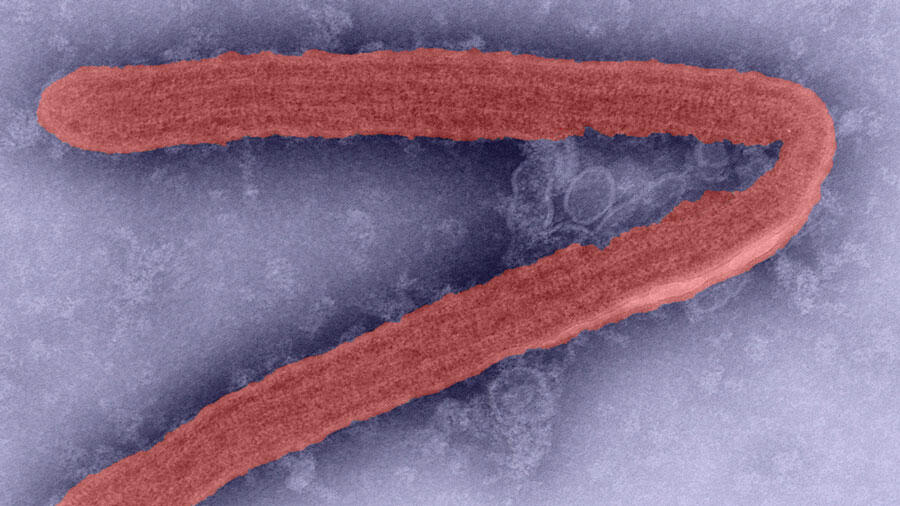
Some bat species are referred to as “reservoirs”: organisms that are able to harbour pathogenic agents without displaying any clinical symptoms. This should not be confused with vector animals, which transmit viruses from one host to another, such as mosquitoes. The bat virome is rich and diversified, as it includes coronavirus, filovirus, paramyxovirus, etc.
Although “some viruses are pathogenic to bats, such as poxvirus”, explains Lucie Étienne, a scientist at the CIRI1 in Lyon (southeastern France), these mammals appear to resist many other pathogens, partly thanks to their immune system.


60 million years of adaptation
Present on Earth for more than 60 million years, bats have had time to co-evolve with numerous viruses; their immune defence system has thus adapted and diversified, enabling them to develop a dual mechanism between immune tolerance and antiviral control. “Some species have lost sensors in inflammatory pathways, which may participate in their tolerance, or there has been an expansion of their genes coding for antiviral proteins in their innate immune system, contributing to their defences against viruses,” the researcher explains.
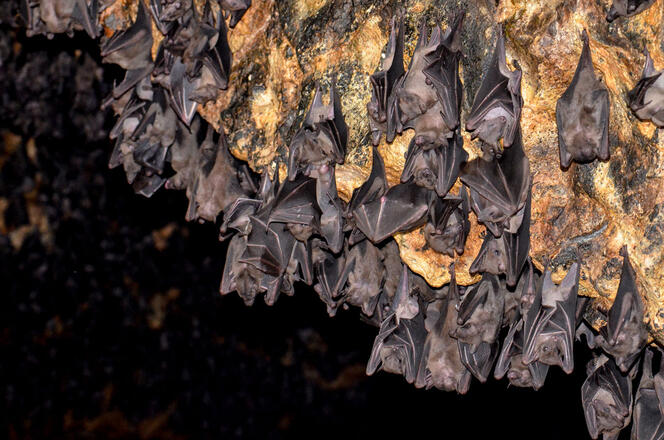
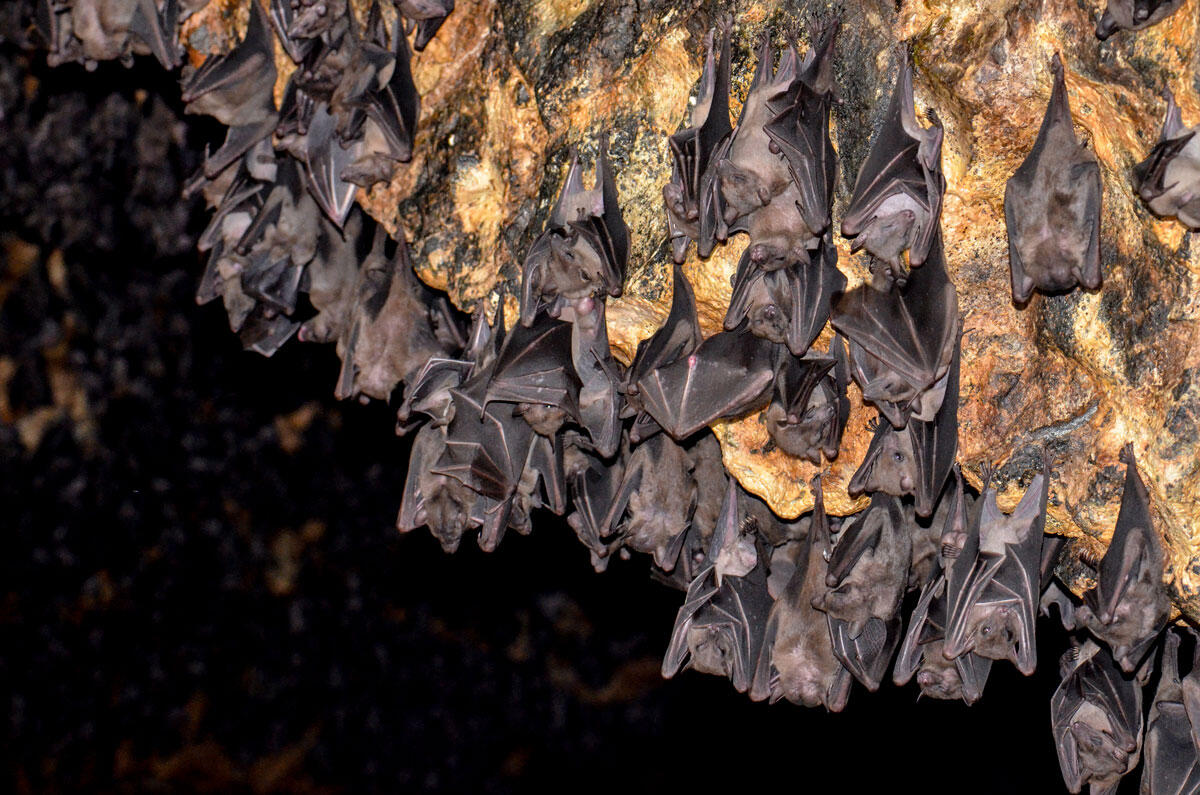
In some of the bats studied, infections do not trigger the cytokine storm observed in humans. Their proteins, which normally cause inflammation, are less active, protecting their tissues. Some of these evolutions may be linked to their adaptation to flight. In addition, certain viral detection pathways are attenuated or even partly inactivated, thus limiting some reactions.
Defences that remain active
However, this tolerance does not mean that bats are without protection. They retain an active defence system that is sometimes permanent. Interferons – molecules that signal the presence of viruses in the organism and restrict their spread – are produced continuously in some species. As soon as a virus enters their body, the immune system is ready to block the infection.


Two of the actors in this defence system are protein kinase R (PKR) and guanylate binding protein 5 (GBP5), which are central to the work being carried out by Étienne’s team2. When PKR detects the RNA of a pathogen (its genetic material), it becomes active and interrupts the translation of viral proteins, thus halting the infection. The PKR of bats has evolved over the decades and in some species become more effective in dealing with a wide variety of viruses.
Inspiration for research
While these mammals fascinate because of their ability to cohabit with viruses, their study also offers an opportunity to better understand the defence mechanisms of our own bodies. “Work on bats has shown that improving our knowledge of their immunity might provide us with the key to antiviral immunity that is either less inflammatory or more powerful”, emphasises the scientist.
Elucidating the immunity of Chiroptera thus helps to reveal the mysteries of nature and opens new avenues for biomedical research. And perhaps, one day, the image of bats will be restored to one they deserve: not that of frightening creatures but of unsuspected allies of science!
Explore more