

You are here
Earth

The Ramses mission to asteroid Apophis is set to launch in 2028. It forms the cornerstone of a planetary defence programme designed to protect our planet from the risk of collision with near-Earth objects.
Article
04.23.2026

The international crisis over Greenland has highlighted the wealth of the Far North's underground resources, but at the same time obscured the role of its inhabitants in their extraction. All around the Arctic Circle, indigenous peoples are taking action...
Article
04.20.2026

In the face of the climate emergency, techniques for removing CO₂ dissolved in seawater have raised some hopes and much concern. How to proceed? What rules should be established? Who should be in charge? The CNRS biogeochemist Olivier Sulpis, who is tasked...
Article
01.08.2026

In 2015, the historic Paris Agreement, signed by 195 countries, sought to limit global warming to 2 °C. Ten years later, the results have yet to materialise, raising questions regarding the effectiveness of COP meetings, major climate gatherings whose latest...
Article
11.09.2025
07.30.2024

Forests cover a third of the world's land surface. Although they provide us with invaluable services, they are now under so much pressure that we are faced with our own contradictions between...
Video
06.28.2024
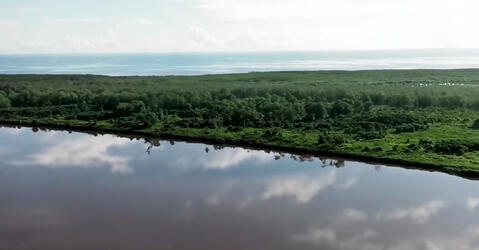
Each year, some 40 billion tonnes of CO₂, one of the main greenhouse gases, are released into the atmosphere. A significant proportion of these is captured by the oceans, vegetation and the soil....
Video
05.30.2024
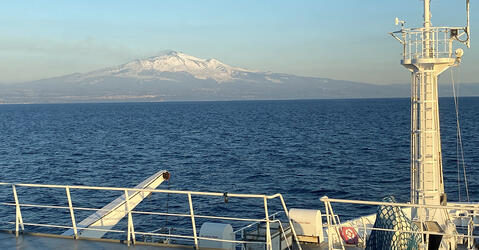
Off the coast of the Sicilian town of Catania, an oceanographic mission studied the activity of North ALFEO, a submarine fault discovered only a decade ago. In partnership with the French daily...