

You are here
Matter
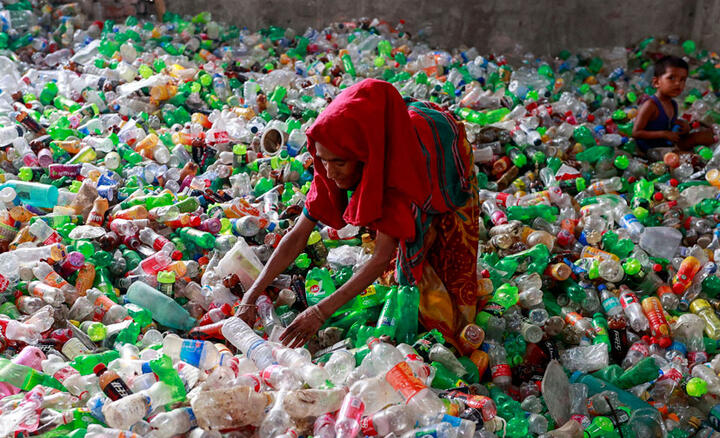
In August 2025, the Geneva Summit on plastic pollution once again failed to reach agreement on an international treaty, due in particular to a lack of consensus over recycling and its limits. This issue was the subject of a recent collective scientific...
Article
10.27.2025

The early 20th-century artist Robert Delaunay began painting at a pivotal moment in art history, namely during the chemical industry revolution, when the number of pigments available on the market increased. Today scientists are trying to solve the mystery of...
Slideshow
07.17.2025
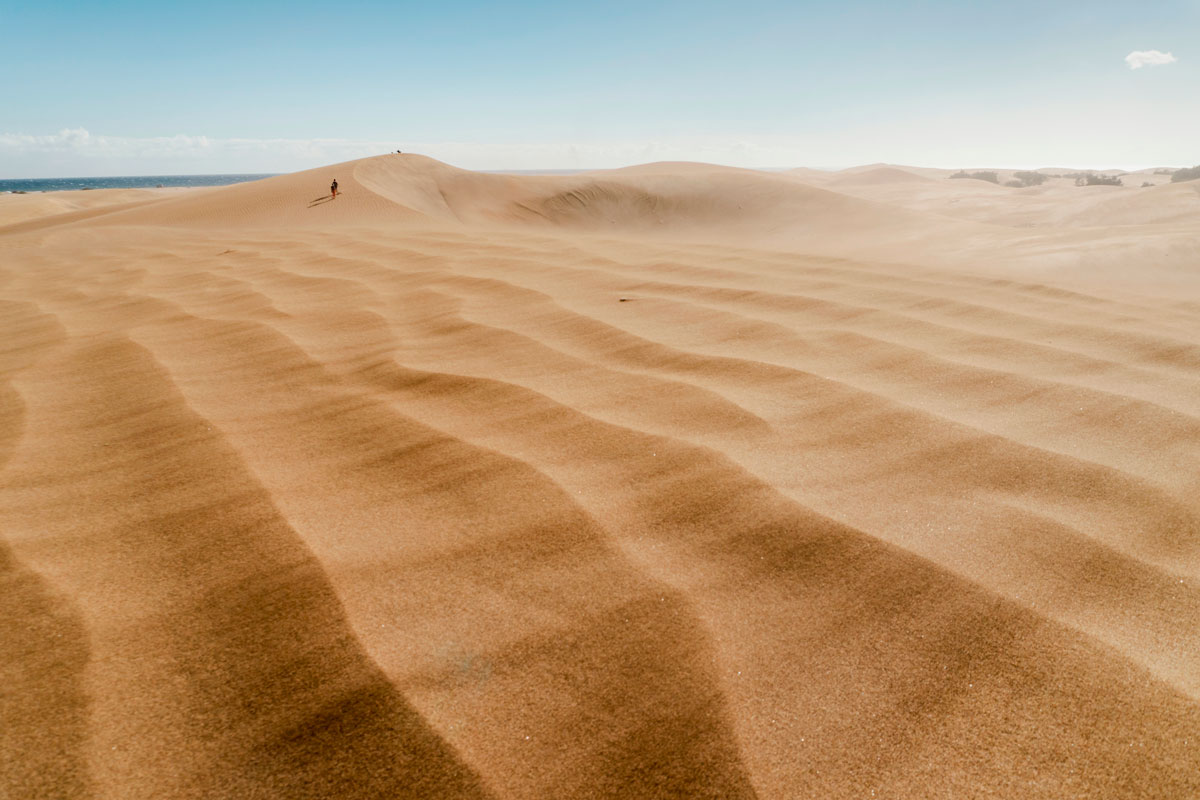
Sand patches dot beaches and deserts, but their origin remains an enigma. Using measurements taken in the desert, physicists have created a model that explains how they form, with a few surprises into the bargain.
Article
07.07.2025

The metabolism of astronauts, the behaviour of plants, the reactions of living beings to radiation and of foams to weightlessness… The International Space Station does not only observe Space, as evidenced by the following four experiments.
Article
03.26.2025
Article
10.14.2016
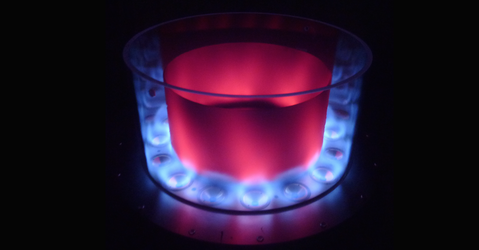
Using laboratory experiments and computer simulations, scientists are seeking to uncover the secrets of combustion. Their aim is to design engines that are less polluting and energy-hungry.
Article
10.05.2016
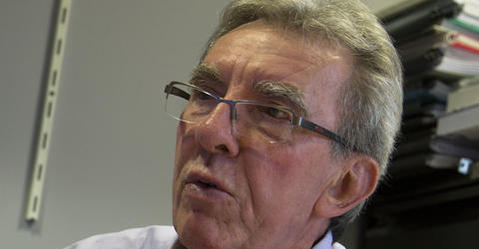
The French chemist Jean-Pierre Sauvage was awarded the Nobel Prize alongside J. Fraser Stoddart, from the UK and Bernard L. Feringa, from the Netherlands, for their work on molecular machines.
09.19.2016
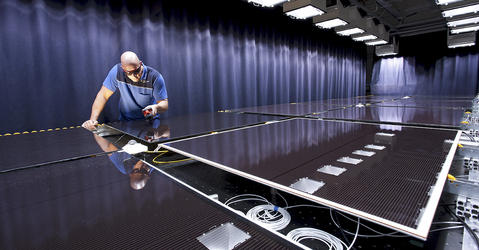
Between hope, disappointment and spectacular progress, research on photovoltaic solar energy is rapidly gathering pace. We examine the most promising trends in this field with photovoltaic energy...