

You are here
Matter
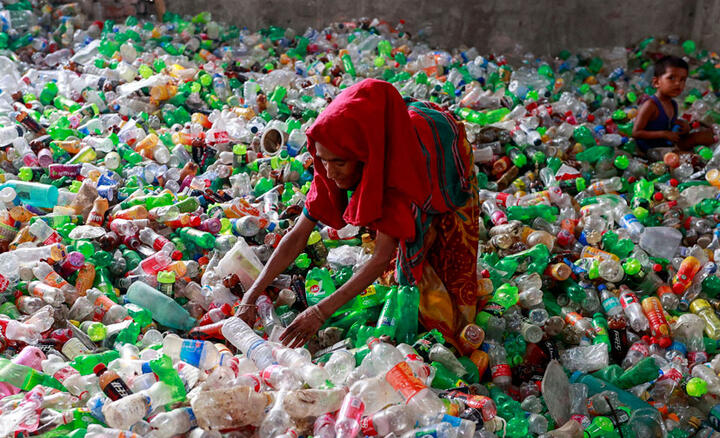
In August 2025, the Geneva Summit on plastic pollution once again failed to reach agreement on an international treaty, due in particular to a lack of consensus over recycling and its limits. This issue was the subject of a recent collective scientific...
Article
10.27.2025

The early 20th-century artist Robert Delaunay began painting at a pivotal moment in art history, namely during the chemical industry revolution, when the number of pigments available on the market increased. Today scientists are trying to solve the mystery of...
Slideshow
07.17.2025
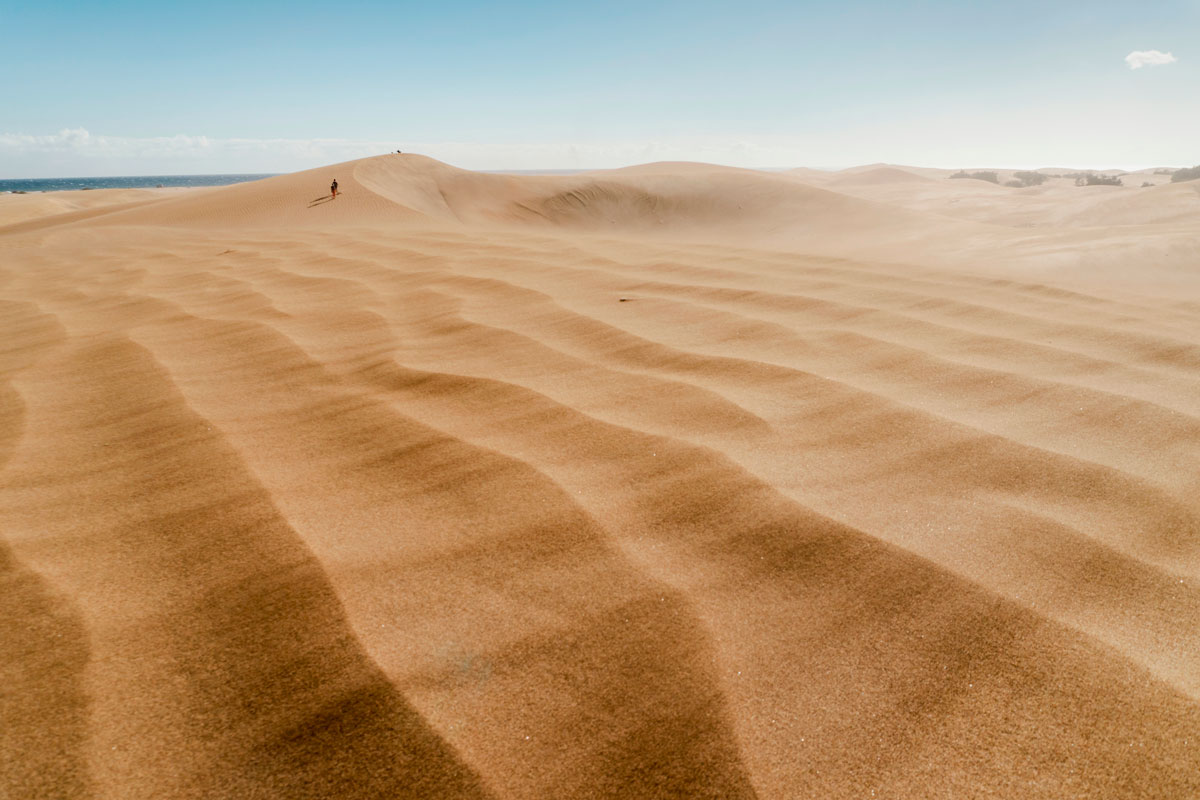
Sand patches dot beaches and deserts, but their origin remains an enigma. Using measurements taken in the desert, physicists have created a model that explains how they form, with a few surprises into the bargain.
Article
07.07.2025

The metabolism of astronauts, the behaviour of plants, the reactions of living beings to radiation and of foams to weightlessness… The International Space Station does not only observe Space, as evidenced by the following four experiments.
Article
03.26.2025
11.19.2019
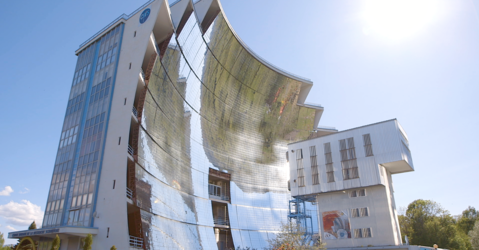
What if we could power our vehicles with metal powder? Aluminium and magnesium have the same energy density as fossil fuels and the waste—metal oxydes—can be recycled with concentrated solar...
Opinion
11.14.2019
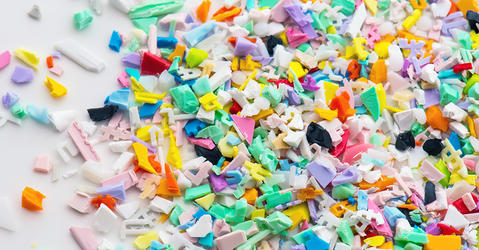
This year, the world will produce 360 million tons of plastics. From their disposal in the environment to implications on human health, this has become a major societal issue. The chemists and...
11.13.2019

Creating a Google Earth of sorts for the cathedral of Paris, that is the ambitious project of a team of researchers. Their objective is clear: to gather all past and future knowledge about the...