

You are here
Matter
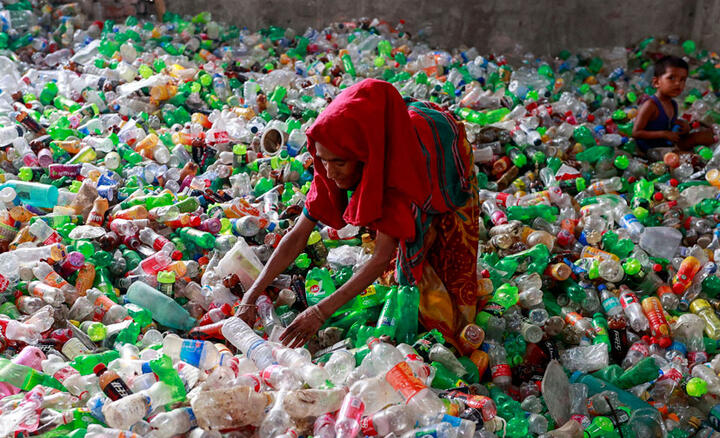
In August 2025, the Geneva Summit on plastic pollution once again failed to reach agreement on an international treaty, due in particular to a lack of consensus over recycling and its limits. This issue was the subject of a recent collective scientific...
Article
10.27.2025

The early 20th-century artist Robert Delaunay began painting at a pivotal moment in art history, namely during the chemical industry revolution, when the number of pigments available on the market increased. Today scientists are trying to solve the mystery of...
Slideshow
07.17.2025
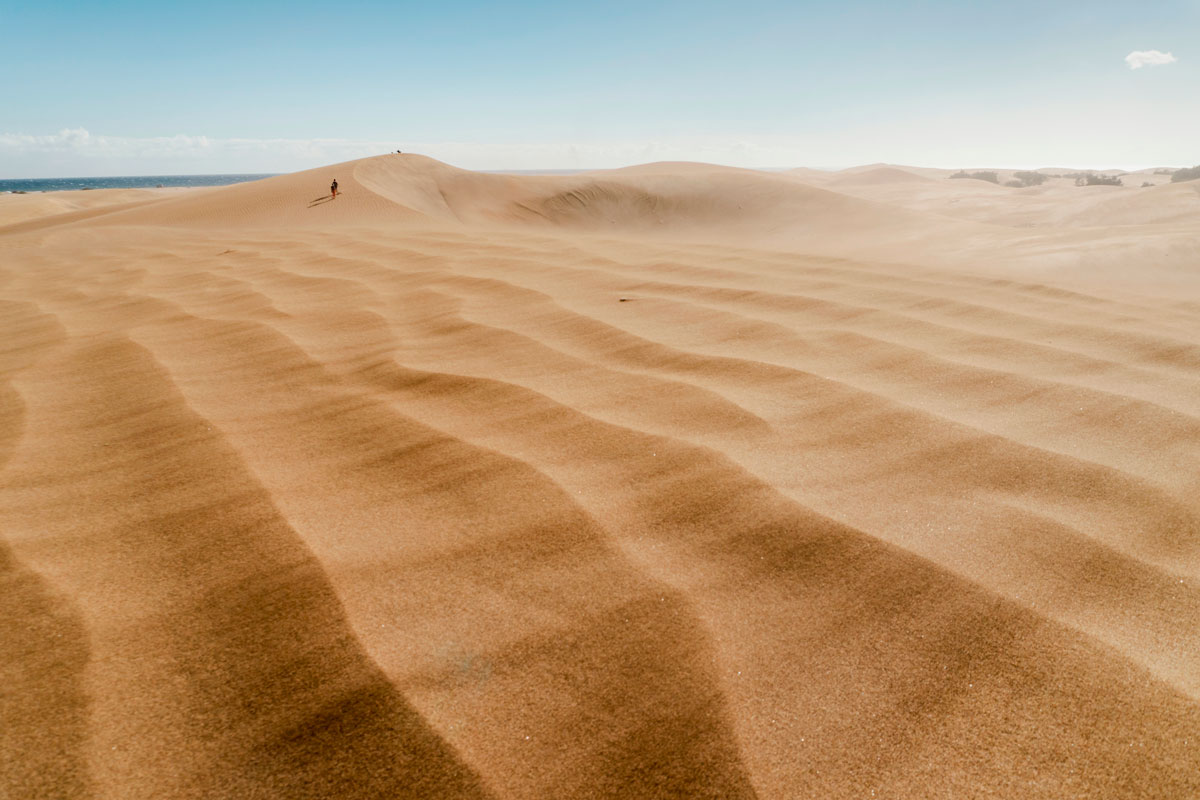
Sand patches dot beaches and deserts, but their origin remains an enigma. Using measurements taken in the desert, physicists have created a model that explains how they form, with a few surprises into the bargain.
Article
07.07.2025

The metabolism of astronauts, the behaviour of plants, the reactions of living beings to radiation and of foams to weightlessness… The International Space Station does not only observe Space, as evidenced by the following four experiments.
Article
03.26.2025
09.15.2023
Following the disappointing results from other candidates for explaining dark matter, a particle hypothesised over 40 years ago, the axion, has come back to the forefront.
Article
07.28.2023
According to quantum theory, a vacuum is actually packed full of energy. Scientists are currently working on an experiment designed to show that it can even slow light down and deflect it.
Article
07.26.2023
Researchers have discovered a potential natural hydrogen deposit under the coalfields of the northeastern French Lorraine region – possibly the world’s largest reserve of this gas!