

You are here
Matter
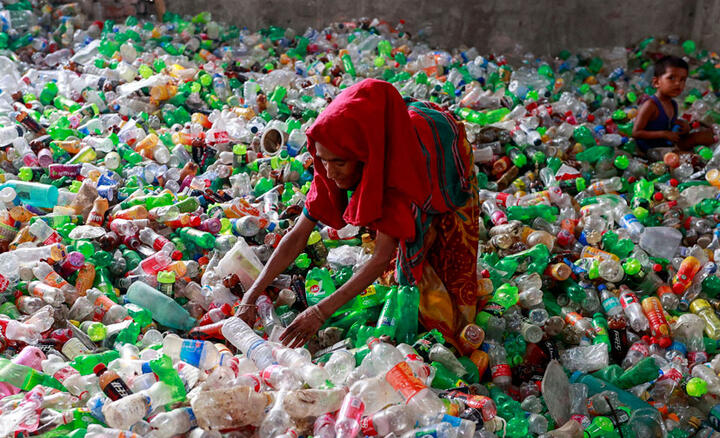
In August 2025, the Geneva Summit on plastic pollution once again failed to reach agreement on an international treaty, due in particular to a lack of consensus over recycling and its limits. This issue was the subject of a recent collective scientific...
Article
10.27.2025

The early 20th-century artist Robert Delaunay began painting at a pivotal moment in art history, namely during the chemical industry revolution, when the number of pigments available on the market increased. Today scientists are trying to solve the mystery of...
Slideshow
07.17.2025
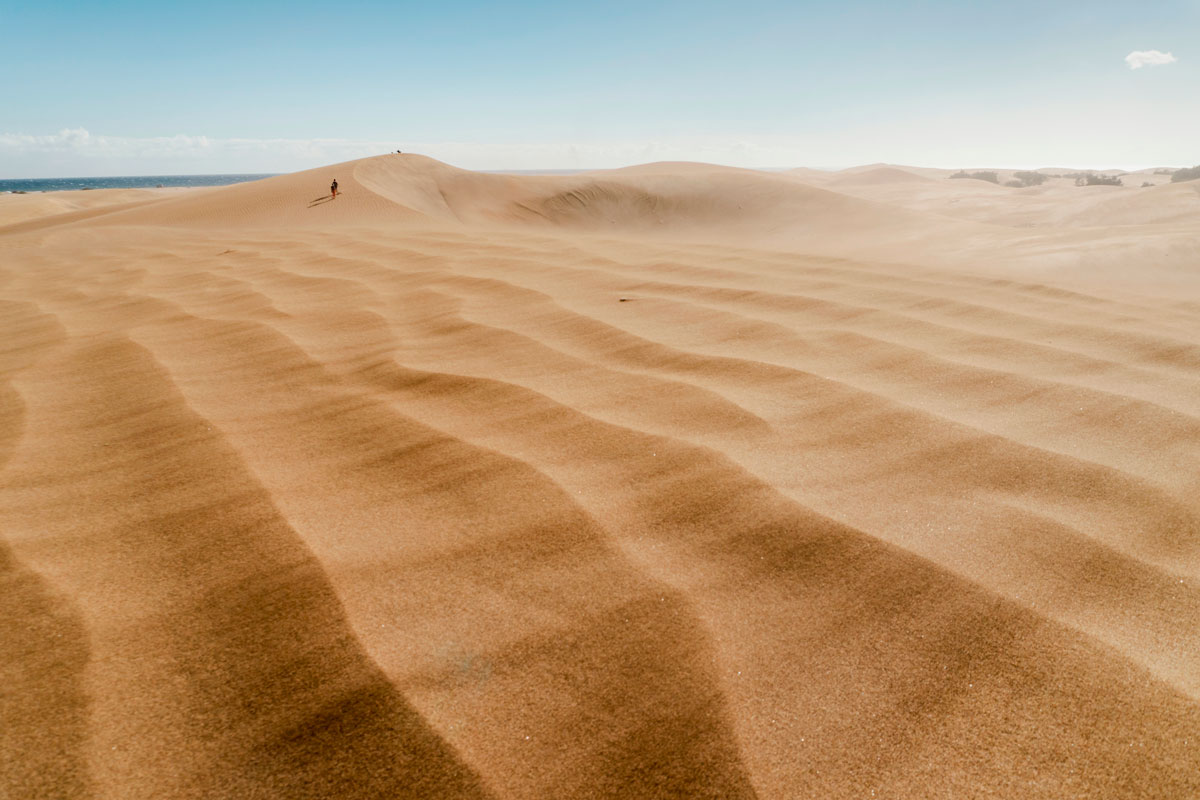
Sand patches dot beaches and deserts, but their origin remains an enigma. Using measurements taken in the desert, physicists have created a model that explains how they form, with a few surprises into the bargain.
Article
07.07.2025

The metabolism of astronauts, the behaviour of plants, the reactions of living beings to radiation and of foams to weightlessness… The International Space Station does not only observe Space, as evidenced by the following four experiments.
Article
03.26.2025
11.13.2015
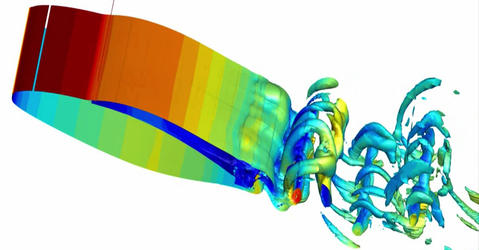
To build the airplanes of tomorrow, researchers are turning to Nature for inspiration. But how can we copy a bird's muscles, feathers and brains? With electroactive morphing, piezoelectric...
11.06.2015
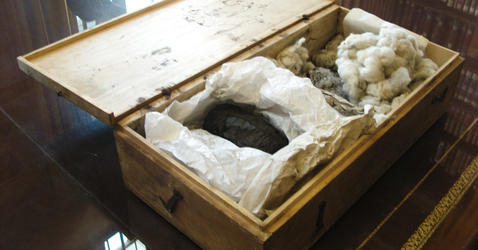
Researchers have developed a new X-ray technique to see the contents of ancient rolled-up scrolls without opening them. This can prove invaluable for studying extremely fragile or partly damaged...
10.26.2015
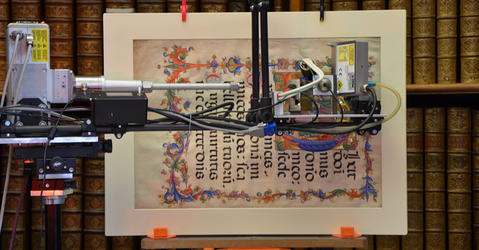
Faced with the constraints of analyzing works of art in museums, researchers today can use a wide range of spectrometers and colorimeters to get to the heart of paintings and their pigments—without...