

You are here
Slideshows
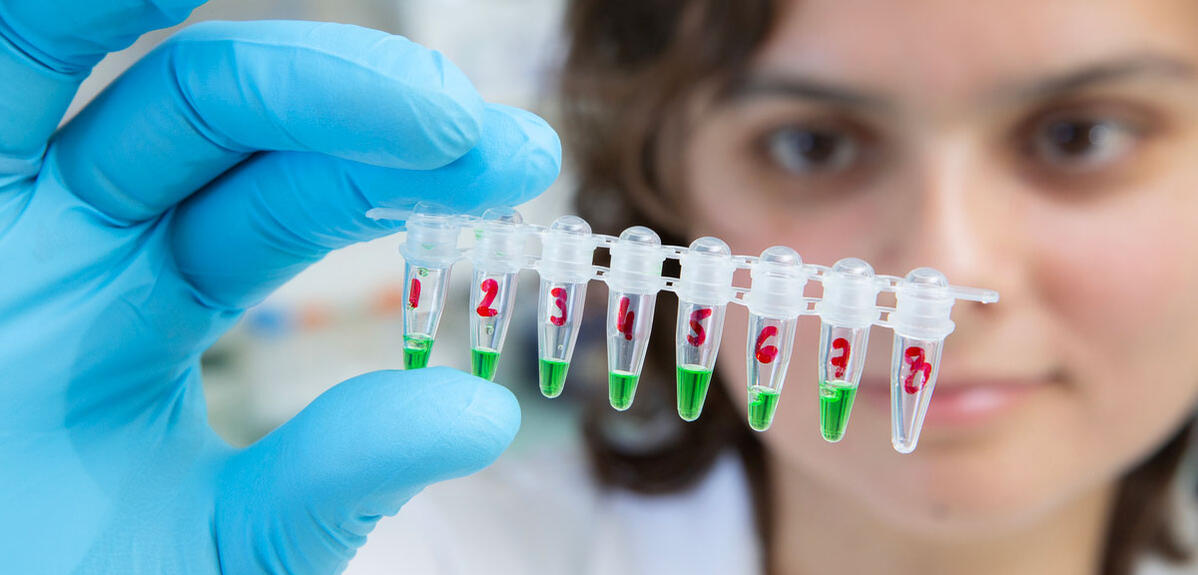
Malaria affects more than 247 million people throughout the world and may have caused up to 620,000 deaths in 2021. Under the ROAdMAP project¹, Ana Gomes and her team at the Laboratory of Pathogens and Host Immunity² in Montpellier (southern France) are seeking to understand how the parasite responsible for this disease replicates its DNA, in a bid to discover any weaknesses that could be exploited as new therapeutic strategies.
Recent Slideshows
04.05.2022

We followed the researchers of the joint CNRS / Ministry of Culture scientific project, who have been hard at work since the disaster on 15 April, 2019. Their mission: to unravel the secrets of the...
Slideshow
12.07.2021
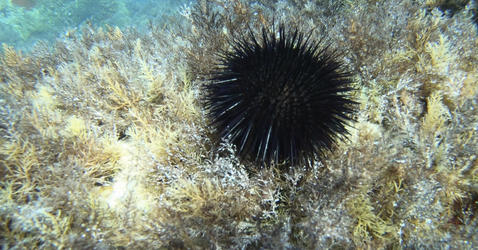
Over the past few years, populations of purple sea urchins off the coasts of France have been declining. In Corsica, researchers at the Stella Mare lab, headed by Antoine Aiello, winner of the CNRS...
Slideshow
11.24.2021
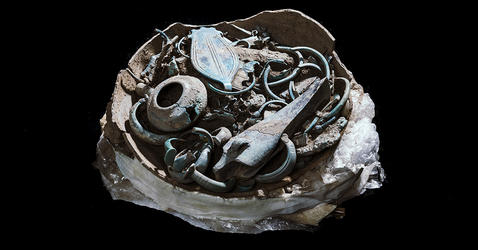
A team of archaeologists from the TRACES laboratory, in southwestern France, carrying out excavations in the Allier department (central France) has made a discovery dating back to more than 2,800...
10.18.2021
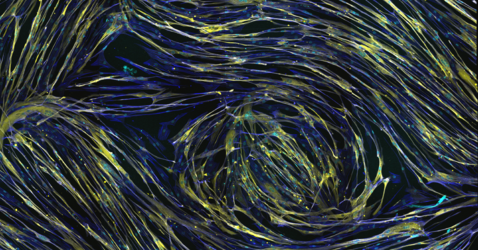
Discover the laureates of the new edition of the LPPI “Proof in Images” competition, organised by the CNRS and the ACFAS, its Canadian partner in Quebec. View these twenty fascinating submissions...
Slideshow
09.30.2021

The presence of scientists within elite training squads has become increasingly commonplace. Among other things, they study pedal strokes in cycling, muscle exertion in running, and decision-making...
08.12.2021

Progress in microscopy continues to expand our window onto the world of the infinitesimally small. Whether in chemistry, biology, engineering or digital simulation, these images paint a...